HTTP 200 OK
Allow: GET, POST, HEAD, OPTIONS
Content-Type: application/json
Vary: Accept

{
    "count": 3,
    "next": null,
    "previous": null,
    "results": [
        {
            "id": 1,
            "meta_title": "Helping Kids Use Fingers for Buttons and Writing",
            "meta_description": "Learn what finger control really is, what progress looks like, and easy play-based activities to support buttons, tools, and early writing.",
            "url": "use-fingers-independently-manipulate-objects",
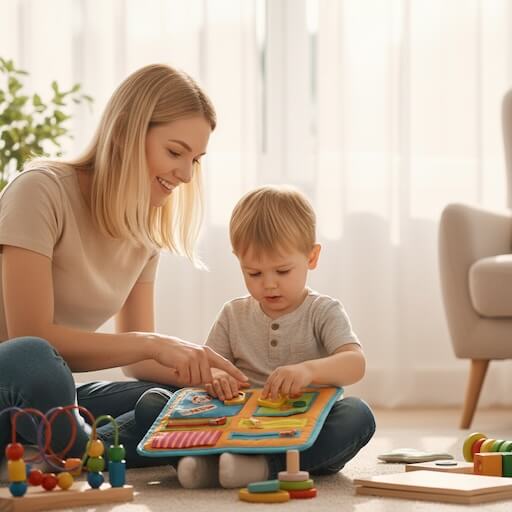
            "goal_name": "Use fingers independently and together to manipulate objects",
            "article_heading": "How to Help Your Child Use Their Fingers Independently to Handle Small Objects",
            "article_question1": "My child struggles to use their fingers for small tasks—how can I help without making it stressful?",
            "goal_image": "https://experteaseimages.s3.ap-south-1.amazonaws.com/OT-003-eekzkav3zq.jpg",
            "section1_paragraphs": null,
            "article_question2": "What Finger Control Really Means",
            "section2_paragraphs": null,
            "article_question3": "Why Finger Skills Support Confidence and Independence",
            "section3_paragraphs": null,
            "article_question4": "Is It Normal for Kids to Struggle With Buttons and Small Pieces?",
            "section4_paragraphs": null,
            "article_question5": "Small Signs Your Child’s Fingers Are Getting More Coordinated",
            "section5_paragraphs": null,
            "article_question6": "How Kids Build Finger Independence Through Play and Practice",
            "section6_paragraphs": null,
            "at_home_activities_title": "At-Home Activities to Build Finger Isolation and Coordination",
            "at_home_activities_desc": "The easiest way to support finger independence at home is to rotate a few types of activities—so your child gets lots of practice without it feeling repetitive. Think of this section as a menu: you can pick what fits your child’s interests and your day.",
            "at_home_activities_end_line": null,
            "myths_facts_title": "MYTHS & MISSTEPS: What Doesn’t Help and What to Do Instead",
            "myths_facts_desc": "Most finger-skill frustration comes from good intentions paired with the wrong “dose” of help or the wrong starting point. Here are common missteps—and gentle swaps that usually work better.",
            "practical_parent_tip_title": "How to Support Finger Skills in Everyday Moments",
            "practical_parent_tip_desc": "You don’t need special equipment to support finger coordination—you mainly need good setup, the right amount of help, and a calm way to repeat practice.",
            "note_text_ppt": "Keep the emotional tone light",
            "note_desc_ppt": "If your child is getting frustrated, it’s okay to pause. You can say, “Let’s take a break—hands get tired,” and come back later. Calm repetition over time is what makes the difference.",
            "when_to_seek_support_title": "When Extra Help Could Make Things Easier",
            "when_to_seek_support_desc": "Sometimes a little outside guidance saves a lot of daily stress—especially if you’re not sure what to focus on or routines are becoming a struggle.",
            "when_to_seek_support_points": "Frequent frustration or shutdown during small hand tasks (even when you simplify)\n            Avoiding toys or activities that involve small pieces, drawing, or fasteners\n            Dressing tasks like buttons or zippers staying very hard over time, even with calm practice\n            Your child can’t find a comfortable way to hold crayons/tools, or tires quickly\n            Progress feels stuck despite trying different playful activities for several weeks\n            You’re doing a lot of “helping,” and you’d like a clearer plan for how to fade support",
            "when_to_seek_support_end_point": null,
            "when_to_seek_support_note": "Reaching out isn’t a sign you’ve done anything wrong. It’s often just a way to get personalized ideas that fit your child and your routines.",
            "extro_title": "A Gentle Reminder About Building Skills Over Time",
            "extro_paragraphs": null,
            "at_home_activities": [
                7,
                6,
                5,
                4,
                3,
                2,
                1
            ],
            "myths_and_facts": [
                6,
                5,
                4,
                3,
                2,
                1
            ],
            "practical_parent_tips": [
                4,
                3,
                2,
                1
            ]
        },
        {
            "id": 3,
            "meta_title": "Eye Contact During Play: Gentle Ways to Help",
            "meta_description": "Worried about eye contact during play? See what counts, what is typical, and simple routines and games that build connection. Try this approach",
            "url": "eye-contact-play",
            "goal_name": "Maintain Eye Contact During Play & Daily Routines",
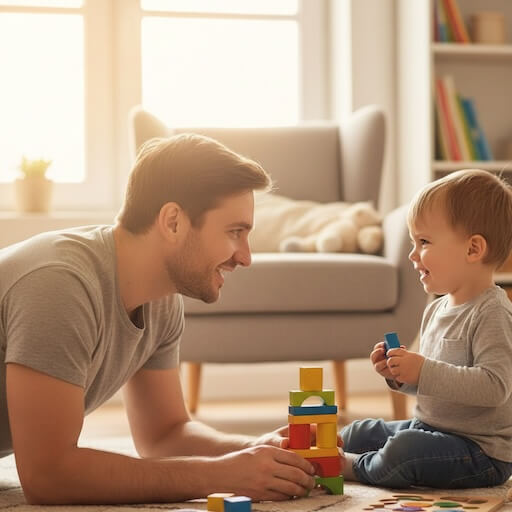
            "article_heading": "Eye Contact During Play: Build Connection in Routines Too",
            "article_question1": "Worried About Eye Contact During Play, Even With You?",
            "goal_image": "https://experteaseimages.s3.ap-south-1.amazonaws.com/C-001-6tdiofz0zz.jpg",
            "section1_paragraphs": "If you are noticing less eye contact during play than you expected, you are not alone. Many parents picture steady, face to face looking, then feel worried when their child seems more interested in toys, movement, or exploring the room. The good news is that connection often starts much smaller than we think. A quick glance, a shared smile, or a moment of looking up right before something fun happens can be a strong beginning.\r\nThis goal is about helping your child briefly look toward your face during play and daily routines, in a way that feels natural and relaxed. It is not about forcing eye contact or turning play into a test. It is about creating little moments where your child notices you, checks in, and learns that being with you is part of the fun.\r\nYou can practice this in everyday life, even in short bursts. A pause before you roll the ball, a playful wait before you open a snack, or a quiet moment at bath time can all invite a look. Over time, those tiny check ins can grow into more back and forth interaction.",
            "article_question2": "What Eye Contact During Play Really Means For Young Children",
            "section2_paragraphs": "When adults say “eye contact,” we often imagine long, steady looking. For young children, eye contact during play is usually much lighter and more flexible. It can be a quick glance up at your face, then right back to the toy. It can be looking at your smile when something silly happens. It can be that little look that says, “Did you see that?” after they stack a block or make a car crash.\r\nIt also helps to think of eye contact as part of a bigger pattern: looking from the toy to you and back again. Many children do this in tiny flashes. They might look at your hands, your mouth, or your eyes for a second, then return to what they are doing. Those quick moments still count because they show your child is including you in the activity.\r\nYou may notice more eye contact during play when the moment is predictable. For example, right before you blow bubbles, right before you tickle, or right before you take your turn. Routines can bring it out too. A child might look up at you during dressing when you pause with the sock in your hand, or during meals when you wait before offering the next bite.\r\nSo if your child is not staring into your eyes, that does not mean there is no connection. Brief, natural looks are exactly where this skill begins.",
            "article_question3": "Why Brief Eye Contact Helps Connection And Early Communication",
            "section3_paragraphs": "A quick look at your face can do a lot for a young child. It helps them notice your expression, your tone, and what you are about to do next. Over time, these small moments make play feel shared instead of separate. Your child starts to learn that you are not just nearby, you are part of what is happening.\r\nEye contact during play also supports early communication in simple ways. When a child looks up and sees your smile, they get feedback that you are enjoying the moment too. When they glance at you before handing you a toy, it sets up a natural turn. When they look after doing something exciting, it creates a chance for you to respond with warmth, words, or a playful reaction. Those back and forth moments are the roots of conversation later on.\r\nBrief eye contact can also help with “shared attention,” which is the feeling of focusing on the same thing together. For example, your child looks at the toy, then looks at you, and you both stay connected around the same activity. This can make it easier for your child to follow simple directions in play, understand gestures, and enjoy turn taking.\r\nIf you are wondering how to encourage eye contact, it often works best when the goal is connection, not compliance. Children tend to look more when they feel safe, unhurried, and genuinely engaged with you.",
            "article_question4": "Is It Normal If My Child Avoids Eye Contact Or Only Looks For A Second?",
            "section4_paragraphs": "Yes, it can be completely normal for toddlers to avoid eye contact at times, or to look only briefly. Many young children are busy. They are learning through movement, touch, and exploring. When they are focused on making something work, like fitting a puzzle piece or stacking blocks, they may not look up much. That does not automatically mean they are not connected to you.\r\nTemperament matters too. Some children are naturally more observant and slow to warm up. They may look more when they feel comfortable and less when they feel watched. New people and new places can also change things. A child might avoid eye contact with unfamiliar adults, but show more eye contact during play with a parent at home.\r\nSensory distractions can play a role as well. Bright lights, noise, screens, or a busy room can pull attention away from faces. Even excitement can do it. Some children look less when they are very happy and energized, because their bodies are moving faster than their eyes can “check in.”\r\nIf you are thinking, “Why won’t my child make eye contact,” it can help to look for the moments when they do. Many children show more looking during cozy routines, like feeding, bath time, bedtime songs, or quiet floor play. Those are often the best places to build from, because your child is already regulated and feels safe.",
            "article_question5": "What Progress Looks Like Before Eye Contact Becomes Consistent",
            "section5_paragraphs": "Progress often shows up in small, easy to miss ways. You might notice your child glancing up more often, even if it is just for a second. Or they may start looking right before something they enjoy, like before you blow bubbles, before you open a container, or before you push the swing. That anticipation look is a great sign because it means your child is beginning to include you in the moment.\r\nYou may also see more shared smiles. Sometimes a child will not hold eye contact, but they will look up and grin when you make a funny sound or copy their play. That shared expression is part of eye contact during play, because it is about connecting through the face.\r\nAnother sign is that you need fewer obvious pauses to get a look. Early on, you might pause and wait, and your child may not notice. Later, they start to notice the pause and check your face more quickly. You might also see more “checking in” during routines. For example, your child looks up when you are about to zip the jacket, or when you hold the towel after bath time.\r\nTry not to measure progress by duration alone. A longer look can come later, but it is not the only marker. The real win is that your child is starting to use quick looks to keep the interaction going. That is what makes play feel more back and forth over time.",
            "article_question6": "How Children Learn Eye Contact Naturally Through Play And Routines",
            "section6_paragraphs": "Children learn eye contact best when it is tied to something meaningful. Most kids do not look just because they are told to. They look because something is fun, surprising, or shared. Motivation matters. If your child loves a certain song, a silly sound, or a favorite toy, those moments can naturally invite a glance.\r\nOne of the simplest ways learning happens is through playful pauses. You start a familiar action, then wait for a beat. That tiny pause gives your child a chance to look up, as if to say, “Are you going to do it again?” When you respond warmly right away, by continuing the fun, smiling, or commenting, your child learns that looking at you works. It keeps the interaction going.\r\nPositioning helps too. When your face is at your child’s eye level, it is easier for them to find you without effort. This can happen on the floor, during diaper changes, at the table, or while you are helping with shoes. Routines are especially powerful because they are predictable. Your child already knows what comes next, so they have more space to notice you.\r\nThe most important piece is the feeling you bring. Calm, friendly energy makes it easier for a child to look. Eye contact during play grows when it feels safe and pressure free, and when every little glance is met with warmth, not demands.",
            "at_home_activities_title": "Easy Eye Contact During Play Activities You Can Try At Home",
            "at_home_activities_desc": "If you are working on **eye contact during play**, it helps to think in small, natural moments instead of long looks. The best activities are the ones that already make your child smile, pause, or wait for you. Those tiny “check in” glances often show up when something fun is about to happen, when you take turns, or when your child is deciding what comes next.",
            "at_home_activities_end_line": "",
            "myths_facts_title": "What Does Not Help When Encouraging Eye Contact",
            "myths_facts_desc": "",
            "practical_parent_tip_title": "How To Encourage Eye Contact During Play Without Pressure",
            "practical_parent_tip_desc": "If you are wondering **how to encourage eye contact** in a way that feels respectful and natural, these small shifts can make a big difference.",
            "note_text_ppt": "",
            "note_desc_ppt": "",
            "when_to_seek_support_title": "When Should I Seek Extra Help For Eye Contact During Play And Routines?",
            "when_to_seek_support_desc": "It can help to get extra support when you feel unsure, stuck, or simply want a calmer plan. Many parents reach out not because something is “wrong,” but because they want coaching that fits their child and their day.",
            "when_to_seek_support_points": "You have been trying gentle practice for a while and you are not seeing the skill show up across different activities or **eye contact during routines**  \r\nYour child often seems uncomfortable when you come close face to face, and you want help finding a better approach  \r\nPlay feels one sided most of the time, and you would like ideas for making it more back and forth  \r\nYou notice stress rising for you or your child around interaction, and you want things to feel easier again  \r\nYou are not sure which activities to choose, or how to adjust them for your child’s personality",
            "when_to_seek_support_end_point": "",
            "when_to_seek_support_note": "",
            "extro_title": "A Gentle Note For Parents: Connection Counts More Than Perfect Eye Contact",
            "extro_paragraphs": "If your child gives you a quick glance, a shared smile, or looks up right before you do something fun, that counts. Those small moments are real connection, and they add up over time.\r\nTry to keep the goal simple. Make it easy for your child to look, keep it warm when they do, and let it be brief. Eye contact during play grows best when your child feels safe, relaxed, and genuinely interested in what happens next with you.\r\nYou do not need to do this perfectly. Showing up, noticing the small wins, and keeping play kind and predictable is already making a difference.",
            "at_home_activities": [
                5,
                4,
                3,
                2,
                1
            ],
            "myths_and_facts": [
                6,
                5,
                4,
                3,
                2,
                1
            ],
            "practical_parent_tips": [
                7,
                6,
                5,
                4,
                3,
                2,
                1
            ]
        },
        {
            "id": 2,
            "meta_title": "Teach Toddler Object Names in Daily Routines",
            "meta_description": "Worried your child is not naming things yet? Get simple, playful ways to teach toddler object names during meals, play, and outings. Try this approach.",
            "url": "teach-toddler-object-names",
            "goal_name": "Learn Names of Familiar Objects (Nouns)",
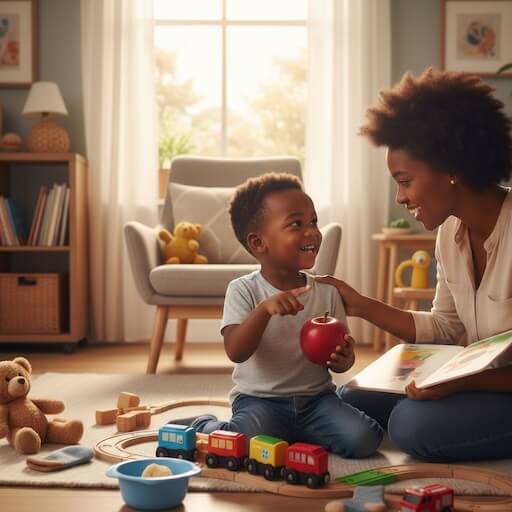
            "article_heading": "Teach Toddler Object Names (Nouns) Through Everyday Play",
            "article_question1": "How can I teach my toddler object names when they do not seem to say them yet?",
            "goal_image": "https://experteaseimages.s3.ap-south-1.amazonaws.com/C-101.jpg",
            "section1_paragraphs": "If you are trying to teach toddler object names and it feels like the words are not coming, you are not alone. Many toddlers show what they know in quiet ways first. They might look at the right thing, point, bring it to you, or get excited when you name it, even if they are not saying the word yet.\r\nThis goal is simply about helping your child connect words to real things in their world, like cup, ball, shoe, dog, car, banana, and more. Those connections build a strong base for communication, because once a child understands that words “match” objects, they can start using words to share, request, and join in.\r\nOn this page, you will learn what “learning object names” can look like before clear speech, why this skill matters in everyday life, and what is typical when understanding comes before talking. You will also see what early progress looks like, so you can notice the small wins that are easy to miss in a busy day. Finally, we will talk about how toddlers learn best, through short, repeated moments during play and routines, not long practice sessions.",
            "article_question2": "What does “learning object names” really mean for toddlers?",
            "section2_paragraphs": "When parents picture “learning object names,” they often picture a toddler clearly saying the word on cue. In real life, it usually starts earlier and looks messier, in a good way. Learning object names includes noticing the object, paying attention when you name it, and showing you they understand in any way they can.\r\nA toddler might show they know an object by looking at it when you say the word, pointing toward it, or crawling over to grab it. They might hand you the “right” item when you ask, even if they cannot say the word yet. Some children will make a sound that is close, like “ba” for ball, or they might say only the last part of a word. That still counts as learning.\r\nIt can also look like your child using one familiar word for lots of things, like calling every animal “dog” for a while. That is a common early pattern. They are sorting the world into categories and practicing the idea that words have meaning.\r\nAnother important part is using object names across different moments. A child might say “cup” at home but not at daycare, or they might label “car” in a book but not when one drives by outside. That does not mean they forgot. It often means they are still learning how to use the word in more than one place.\r\nWhen you teach toddler object names, you are supporting all of these steps, not just perfect pronunciation.",
            "article_question3": "Why does knowing the names of familiar objects matter for communication?",
            "section3_paragraphs": "Object names are some of the most useful words a toddler can learn, because they show up all day long. When a child can understand and use words like water, spoon, socks, truck, or teddy, it becomes easier for them to share what they want and what they notice.\r\nThis is not only about getting needs met, although that is a big part of it. Knowing object names helps toddlers join you in everyday moments. They can bring you the book they want, point to the snack they like, or show you something outside and wait for you to respond. Those little back and forth interactions are where communication grows.\r\nObject names also help with play. When a child knows the names of a few toys, animals, or vehicles, play tends to last longer. It is easier to take turns, copy actions, and stay connected. Even simple play like “feed baby” or “park the car” becomes richer when the child understands the words you are using.\r\nSome parents wonder, why is my toddler not naming objects even though they seem to understand everything? Often, the understanding is already doing important work behind the scenes. Comprehension is like the foundation. As it gets stronger, many children begin to try more sounds and words because they feel more confident about what the word refers to.\r\nWhen you teach toddler object names in a gentle, playful way, you are giving your child tools for connection, not a test to pass.",
            "article_question4": "Is it normal if my child understands objects but does not name them yet?",
            "section4_paragraphs": "Yes, this can be very normal. Many toddlers understand far more than they can say. You might notice your child can follow simple requests like “get your shoes” or “where is the ball?” but they do not use those words themselves. That gap between understanding and speaking is common, especially when a child is focused on other big skills like moving, exploring, or figuring out routines.\r\nSome toddlers are also careful communicators. They watch and listen for a long time before they try a word. Others use gestures as their main way to communicate at first. If you have a toddler pointing but not talking objects, that pointing is meaningful. It shows your child is noticing, choosing, and trying to share attention with you. Those are strong building blocks for words later.\r\nYou might also see a child use a sound, a sign, or a “close enough” word. Or they might label objects at home but stay quiet in new places or around unfamiliar people. That does not mean they cannot do it. It often means they are still warming up, or they are using their energy to take in the environment.\r\nAnother common pattern is using one word for many items, then slowly sorting it out. “Ball” might mean balloon, orange, and anything round for a while. Over time, with repeated experiences, the words become more specific.\r\nIf you are working to teach toddler object names, it helps to remember that speech is only one way children show learning. Understanding, pointing, and bringing the right item are all part of the same skill growing.",
            "article_question5": "What are the early signs my child is learning object names?",
            "section5_paragraphs": "Progress often shows up in small, everyday moments, not in a big “now they can name everything” leap. One early sign is that your child starts looking at the right object more quickly when you name it. You might say “shoe” and they glance down at their feet, or you say “banana” and they look toward the counter.\r\nAnother sign is stronger pointing. Your child may point to something and then look back at you, as if asking, “Do you see it too?” That shared moment matters. Some toddlers will bring you an object they want help with, like a closed snack container, and wait for you to respond. Others will choose the correct item when you offer two options, even if they do not say the word.\r\nYou may also hear more attempts. It might be a single sound, a partial word, or a word that is not quite clear yet. If your child tries, then watches your face, they may be checking if they got it right. That is a great sign that they are connecting the word to the object and noticing your feedback.\r\nIt is also common for a child to use a new object name in one routine but not another. They might say “cup” at breakfast but not at dinner. Or they might label “dog” in a favorite book but not when a real dog walks by. That is still progress. It means the word is starting to stick, and it is spreading slowly to new situations.\r\nWhen you teach toddler object names, celebrate these early steps. They are the path toward more consistent naming over time.",
            "article_question6": "How do children learn object names naturally during play and routines?",
            "section6_paragraphs": "Toddlers learn object names best through lots of short, real moments. They hear the word while they see the object, touch it, use it, or watch you use it. Over time, their brain starts to link the sound of the word with the thing itself. This is why daily routines can be so powerful. The same objects show up again and again, which gives your child repeated chances to notice and learn.\r\nThink about a simple routine like snack time. The cup, spoon, bowl, and banana might appear every day. When the word and the object show up together often, learning becomes easier. The same is true for bath time, getting dressed, and going outside. Repetition does not have to feel repetitive. It can be quick and natural, like naming what your child is already focused on.\r\nChildren also learn through interaction. When you label an object and your child looks, points, or reaches, that back and forth helps the word “land.” It is less about drilling and more about shared attention. Many toddlers need to hear a word many times before they try it, and that is okay.\r\nReal objects are especially helpful because they are meaningful and hands on. Pictures and books can help too, because they let you repeat the same words in a calm, predictable way. Often, the best learning comes from using both across the week.\r\nIf you are wondering when do toddlers learn object names, the honest answer is that it varies. What matters most is steady exposure in everyday life, and a playful, low pressure feel as you teach toddler object names in the moments you already have.",
            "at_home_activities_title": "What are the best at home activities to teach toddler object names?",
            "at_home_activities_desc": "If you are trying to teach toddler object names, it helps to think in small, repeatable moments rather than long practice sessions. The goal is simple, your child hears the word while they are looking at, touching, using, or choosing the real thing. Over time, those tiny connections add up, and you may notice more pointing, more “showing,” and more attempts to say the word.",
            "at_home_activities_end_line": "",
            "myths_facts_title": "What does not help when you are trying to teach object names?",
            "myths_facts_desc": "",
            "practical_parent_tip_title": "How can I support teaching object names all day without turning it into a drill?",
            "practical_parent_tip_desc": "You do not need to do more. You just want to make the language you already use a little clearer and easier to copy.",
            "note_text_ppt": "",
            "note_desc_ppt": "",
            "when_to_seek_support_title": "When should I consider extra support for learning object names?",
            "when_to_seek_support_desc": "Some children pick up object names quickly in one setting, then seem to “lose” the word somewhere else. Others need more time and repetition before words start showing up. Both can be normal.",
            "when_to_seek_support_points": "You feel stuck or unsure what to try next, even after keeping practice playful and consistent  \r\nYour child rarely shows understanding of familiar objects across routines, not just in one activity  \r\nYour child often becomes upset or frustrated during simple communication moments, like meals, getting dressed, or play  \r\nYou notice a pattern like **toddler pointing but not talking objects**, and you want help turning those strong gestures into words over time  \r\nProgress is very hard to see across several weeks, and you would feel better with a personalised plan",
            "when_to_seek_support_end_point": "",
            "when_to_seek_support_note": "A check in can be practical and reassuring. It can help you choose the right words to focus on, adjust how many items you offer, and make routines feel easier for both of you.",
            "extro_title": "A gentle note if you are worried about your child learning object names",
            "extro_paragraphs": "It is easy to worry when other children seem to say lots of words, or when your child understands more than they can say. Naming often grows in uneven steps. You might hear a word once, then not again for a while, then suddenly it shows up during a favourite routine.\r\nKeep coming back to connection. When you sit with your child, notice what they are interested in, and name what matters to them, you are already supporting language in a steady, meaningful way. Small moments count, especially the everyday ones that repeat.\r\nIf you are not sure where to begin, pick a few familiar objects your child loves and let those be your starting point. Consistency and warmth go a long way when you are working to teach toddler object names.",
            "at_home_activities": [],
            "myths_and_facts": [],
            "practical_parent_tips": []
        }
    ]
}