HTTP 200 OK
Allow: GET, POST, HEAD, OPTIONS
Content-Type: application/json
Vary: Accept

{
    "count": 3,
    "next": null,
    "previous": null,
    "results": [
        {
            "id": 1,
            "meta_title": "Helping Kids Use Fingers for Buttons and Writing",
            "meta_description": "Learn what finger control really is, what progress looks like, and easy play-based activities to support buttons, tools, and early writing.",
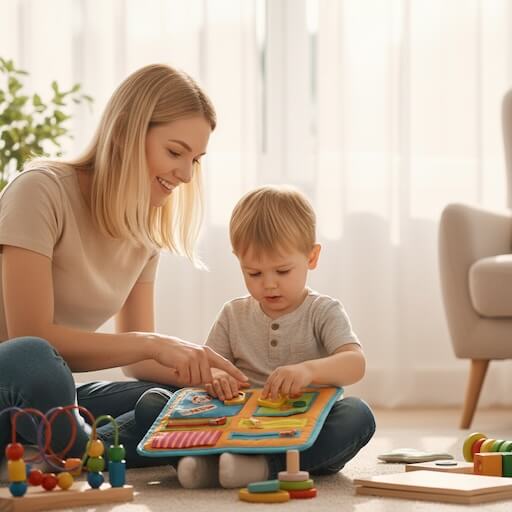
            "url": "use-fingers-independently-manipulate-objects",
            "goal_name": "Use fingers independently and together to manipulate objects",
            "article_heading": "How to Help Your Child Use Their Fingers Independently to Handle Small Objects",
            "article_question1": "My child struggles to use their fingers for small tasks—how can I help without making it stressful?",
            "goal_image": "https://experteaseimages.s3.ap-south-1.amazonaws.com/OT-003-eekzkav3zq.jpg",
            "section1_paragraphs": null,
            "article_question2": "What Finger Control Really Means",
            "section2_paragraphs": null,
            "article_question3": "Why Finger Skills Support Confidence and Independence",
            "section3_paragraphs": null,
            "article_question4": "Is It Normal for Kids to Struggle With Buttons and Small Pieces?",
            "section4_paragraphs": null,
            "article_question5": "Small Signs Your Child’s Fingers Are Getting More Coordinated",
            "section5_paragraphs": null,
            "article_question6": "How Kids Build Finger Independence Through Play and Practice",
            "section6_paragraphs": null,
            "at_home_activities_title": "At-Home Activities to Build Finger Isolation and Coordination",
            "at_home_activities_desc": "The easiest way to support finger independence at home is to rotate a few types of activities—so your child gets lots of practice without it feeling repetitive. Think of this section as a menu: you can pick what fits your child’s interests and your day.",
            "at_home_activities_end_line": null,
            "myths_facts_title": "MYTHS & MISSTEPS: What Doesn’t Help and What to Do Instead",
            "myths_facts_desc": "Most finger-skill frustration comes from good intentions paired with the wrong “dose” of help or the wrong starting point. Here are common missteps—and gentle swaps that usually work better.",
            "practical_parent_tip_title": "How to Support Finger Skills in Everyday Moments",
            "practical_parent_tip_desc": "You don’t need special equipment to support finger coordination—you mainly need good setup, the right amount of help, and a calm way to repeat practice.",
            "note_text_ppt": "Keep the emotional tone light",
            "note_desc_ppt": "If your child is getting frustrated, it’s okay to pause. You can say, “Let’s take a break—hands get tired,” and come back later. Calm repetition over time is what makes the difference.",
            "when_to_seek_support_title": "When Extra Help Could Make Things Easier",
            "when_to_seek_support_desc": "Sometimes a little outside guidance saves a lot of daily stress—especially if you’re not sure what to focus on or routines are becoming a struggle.",
            "when_to_seek_support_points": "Frequent frustration or shutdown during small hand tasks (even when you simplify)\n            Avoiding toys or activities that involve small pieces, drawing, or fasteners\n            Dressing tasks like buttons or zippers staying very hard over time, even with calm practice\n            Your child can’t find a comfortable way to hold crayons/tools, or tires quickly\n            Progress feels stuck despite trying different playful activities for several weeks\n            You’re doing a lot of “helping,” and you’d like a clearer plan for how to fade support",
            "when_to_seek_support_end_point": null,
            "when_to_seek_support_note": "Reaching out isn’t a sign you’ve done anything wrong. It’s often just a way to get personalized ideas that fit your child and your routines.",
            "extro_title": "A Gentle Reminder About Building Skills Over Time",
            "extro_paragraphs": null,
            "at_home_activities": [
                7,
                6,
                5,
                4,
                3,
                2,
                1
            ],
            "myths_and_facts": [
                6,
                5,
                4,
                3,
                2,
                1
            ],
            "practical_parent_tips": [
                4,
                3,
                2,
                1
            ]
        },
        {
            "id": 3,
            "meta_title": "Eye Contact During Play: Gentle Ways to Help",
            "meta_description": "Worried about eye contact during play? See what counts, what is typical, and simple routines and games that build connection. Try this approach",
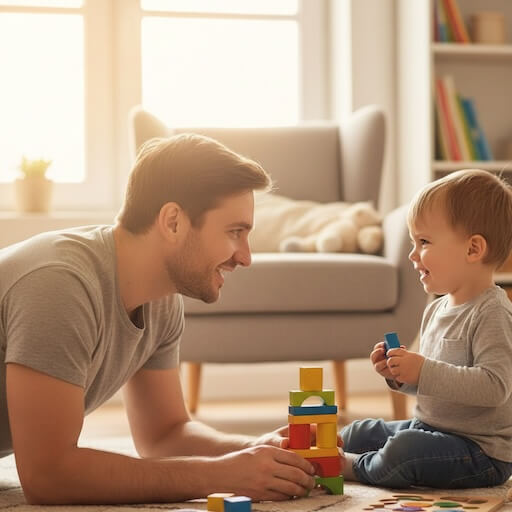
            "url": "eye-contact-play",
            "goal_name": "Maintain Eye Contact During Play & Daily Routines",
            "article_heading": "Eye Contact During Play: Build Connection in Routines Too",
            "article_question1": "Worried About Eye Contact During Play, Even With You?",
            "goal_image": "https://experteaseimages.s3.ap-south-1.amazonaws.com/C-001-6tdiofz0zz.jpg",
            "section1_paragraphs": "If you are noticing less eye contact during play than you expected, you are not alone. Many parents picture steady, face to face looking, then feel worried when their child seems more interested in toys, movement, or exploring the room. The good news is that connection often starts much smaller than we think. A quick glance, a shared smile, or a moment of looking up right before something fun happens can be a strong beginning.\r\nThis goal is about helping your child briefly look toward your face during play and daily routines, in a way that feels natural and relaxed. It is not about forcing eye contact or turning play into a test. It is about creating little moments where your child notices you, checks in, and learns that being with you is part of the fun.\r\nYou can practice this in everyday life, even in short bursts. A pause before you roll the ball, a playful wait before you open a snack, or a quiet moment at bath time can all invite a look. Over time, those tiny check ins can grow into more back and forth interaction.",
            "article_question2": "What Eye Contact During Play Really Means For Young Children",
            "section2_paragraphs": "When adults say “eye contact,” we often imagine long, steady looking. For young children, eye contact during play is usually much lighter and more flexible. It can be a quick glance up at your face, then right back to the toy. It can be looking at your smile when something silly happens. It can be that little look that says, “Did you see that?” after they stack a block or make a car crash.\r\nIt also helps to think of eye contact as part of a bigger pattern: looking from the toy to you and back again. Many children do this in tiny flashes. They might look at your hands, your mouth, or your eyes for a second, then return to what they are doing. Those quick moments still count because they show your child is including you in the activity.\r\nYou may notice more eye contact during play when the moment is predictable. For example, right before you blow bubbles, right before you tickle, or right before you take your turn. Routines can bring it out too. A child might look up at you during dressing when you pause with the sock in your hand, or during meals when you wait before offering the next bite.\r\nSo if your child is not staring into your eyes, that does not mean there is no connection. Brief, natural looks are exactly where this skill begins.",
            "article_question3": "Why Brief Eye Contact Helps Connection And Early Communication",
            "section3_paragraphs": "A quick look at your face can do a lot for a young child. It helps them notice your expression, your tone, and what you are about to do next. Over time, these small moments make play feel shared instead of separate. Your child starts to learn that you are not just nearby, you are part of what is happening.\r\nEye contact during play also supports early communication in simple ways. When a child looks up and sees your smile, they get feedback that you are enjoying the moment too. When they glance at you before handing you a toy, it sets up a natural turn. When they look after doing something exciting, it creates a chance for you to respond with warmth, words, or a playful reaction. Those back and forth moments are the roots of conversation later on.\r\nBrief eye contact can also help with “shared attention,” which is the feeling of focusing on the same thing together. For example, your child looks at the toy, then looks at you, and you both stay connected around the same activity. This can make it easier for your child to follow simple directions in play, understand gestures, and enjoy turn taking.\r\nIf you are wondering how to encourage eye contact, it often works best when the goal is connection, not compliance. Children tend to look more when they feel safe, unhurried, and genuinely engaged with you.",
            "article_question4": "Is It Normal If My Child Avoids Eye Contact Or Only Looks For A Second?",
            "section4_paragraphs": "Yes, it can be completely normal for toddlers to avoid eye contact at times, or to look only briefly. Many young children are busy. They are learning through movement, touch, and exploring. When they are focused on making something work, like fitting a puzzle piece or stacking blocks, they may not look up much. That does not automatically mean they are not connected to you.\r\nTemperament matters too. Some children are naturally more observant and slow to warm up. They may look more when they feel comfortable and less when they feel watched. New people and new places can also change things. A child might avoid eye contact with unfamiliar adults, but show more eye contact during play with a parent at home.\r\nSensory distractions can play a role as well. Bright lights, noise, screens, or a busy room can pull attention away from faces. Even excitement can do it. Some children look less when they are very happy and energized, because their bodies are moving faster than their eyes can “check in.”\r\nIf you are thinking, “Why won’t my child make eye contact,” it can help to look for the moments when they do. Many children show more looking during cozy routines, like feeding, bath time, bedtime songs, or quiet floor play. Those are often the best places to build from, because your child is already regulated and feels safe.",
            "article_question5": "What Progress Looks Like Before Eye Contact Becomes Consistent",
            "section5_paragraphs": "Progress often shows up in small, easy to miss ways. You might notice your child glancing up more often, even if it is just for a second. Or they may start looking right before something they enjoy, like before you blow bubbles, before you open a container, or before you push the swing. That anticipation look is a great sign because it means your child is beginning to include you in the moment.\r\nYou may also see more shared smiles. Sometimes a child will not hold eye contact, but they will look up and grin when you make a funny sound or copy their play. That shared expression is part of eye contact during play, because it is about connecting through the face.\r\nAnother sign is that you need fewer obvious pauses to get a look. Early on, you might pause and wait, and your child may not notice. Later, they start to notice the pause and check your face more quickly. You might also see more “checking in” during routines. For example, your child looks up when you are about to zip the jacket, or when you hold the towel after bath time.\r\nTry not to measure progress by duration alone. A longer look can come later, but it is not the only marker. The real win is that your child is starting to use quick looks to keep the interaction going. That is what makes play feel more back and forth over time.",
            "article_question6": "How Children Learn Eye Contact Naturally Through Play And Routines",
            "section6_paragraphs": "Children learn eye contact best when it is tied to something meaningful. Most kids do not look just because they are told to. They look because something is fun, surprising, or shared. Motivation matters. If your child loves a certain song, a silly sound, or a favorite toy, those moments can naturally invite a glance.\r\nOne of the simplest ways learning happens is through playful pauses. You start a familiar action, then wait for a beat. That tiny pause gives your child a chance to look up, as if to say, “Are you going to do it again?” When you respond warmly right away, by continuing the fun, smiling, or commenting, your child learns that looking at you works. It keeps the interaction going.\r\nPositioning helps too. When your face is at your child’s eye level, it is easier for them to find you without effort. This can happen on the floor, during diaper changes, at the table, or while you are helping with shoes. Routines are especially powerful because they are predictable. Your child already knows what comes next, so they have more space to notice you.\r\nThe most important piece is the feeling you bring. Calm, friendly energy makes it easier for a child to look. Eye contact during play grows when it feels safe and pressure free, and when every little glance is met with warmth, not demands.",
            "at_home_activities_title": "Easy Eye Contact During Play Activities You Can Try At Home",
            "at_home_activities_desc": "If you are working on **eye contact during play**, it helps to think in small, natural moments instead of long looks. The best activities are the ones that already make your child smile, pause, or wait for you. Those tiny “check in” glances often show up when something fun is about to happen, when you take turns, or when your child is deciding what comes next.",
            "at_home_activities_end_line": "",
            "myths_facts_title": "What Does Not Help When Encouraging Eye Contact",
            "myths_facts_desc": "",
            "practical_parent_tip_title": "How To Encourage Eye Contact During Play Without Pressure",
            "practical_parent_tip_desc": "If you are wondering **how to encourage eye contact** in a way that feels respectful and natural, these small shifts can make a big difference.",
            "note_text_ppt": "",
            "note_desc_ppt": "",
            "when_to_seek_support_title": "When Should I Seek Extra Help For Eye Contact During Play And Routines?",
            "when_to_seek_support_desc": "It can help to get extra support when you feel unsure, stuck, or simply want a calmer plan. Many parents reach out not because something is “wrong,” but because they want coaching that fits their child and their day.",
            "when_to_seek_support_points": "You have been trying gentle practice for a while and you are not seeing the skill show up across different activities or **eye contact during routines**  \r\nYour child often seems uncomfortable when you come close face to face, and you want help finding a better approach  \r\nPlay feels one sided most of the time, and you would like ideas for making it more back and forth  \r\nYou notice stress rising for you or your child around interaction, and you want things to feel easier again  \r\nYou are not sure which activities to choose, or how to adjust them for your child’s personality",
            "when_to_seek_support_end_point": "",
            "when_to_seek_support_note": "",
            "extro_title": "A Gentle Note For Parents: Connection Counts More Than Perfect Eye Contact",
            "extro_paragraphs": "If your child gives you a quick glance, a shared smile, or looks up right before you do something fun, that counts. Those small moments are real connection, and they add up over time.\r\nTry to keep the goal simple. Make it easy for your child to look, keep it warm when they do, and let it be brief. Eye contact during play grows best when your child feels safe, relaxed, and genuinely interested in what happens next with you.\r\nYou do not need to do this perfectly. Showing up, noticing the small wins, and keeping play kind and predictable is already making a difference.",
            "at_home_activities": [
                5,
                4,
                3,
                2,
                1
            ],
            "myths_and_facts": [
                6,
                5,
                4,
                3,
                2,
                1
            ],
            "practical_parent_tips": [
                7,
                6,
                5,
                4,
                3,
                2,
                1
            ]
        },
        {
            "id": 1,
            "meta_title": "Helping Kids Use Fingers for Buttons and Writing",
            "meta_description": "Learn what finger control really is, what progress looks like, and easy play-based activities to support buttons, tools, and early writing.",
            "url": "use-fingers-independently-manipulate-objects",
            "goal_name": "Use fingers independently and together to manipulate objects",
            "article_heading": "How to Help Your Child Use Their Fingers Independently to Handle Small Objects",
            "article_question1": "My child struggles to use their fingers for small tasks—how can I help without making it stressful?",
            "goal_image": "https://experteaseimages.s3.ap-south-1.amazonaws.com/OT-003-eekzkav3zq.jpg",
            "section1_paragraphs": null,
            "article_question2": "What Finger Control Really Means",
            "section2_paragraphs": null,
            "article_question3": "Why Finger Skills Support Confidence and Independence",
            "section3_paragraphs": null,
            "article_question4": "Is It Normal for Kids to Struggle With Buttons and Small Pieces?",
            "section4_paragraphs": null,
            "article_question5": "Small Signs Your Child’s Fingers Are Getting More Coordinated",
            "section5_paragraphs": null,
            "article_question6": "How Kids Build Finger Independence Through Play and Practice",
            "section6_paragraphs": null,
            "at_home_activities_title": "At-Home Activities to Build Finger Isolation and Coordination",
            "at_home_activities_desc": "The easiest way to support finger independence at home is to rotate a few types of activities—so your child gets lots of practice without it feeling repetitive. Think of this section as a menu: you can pick what fits your child’s interests and your day.",
            "at_home_activities_end_line": null,
            "myths_facts_title": "MYTHS & MISSTEPS: What Doesn’t Help and What to Do Instead",
            "myths_facts_desc": "Most finger-skill frustration comes from good intentions paired with the wrong “dose” of help or the wrong starting point. Here are common missteps—and gentle swaps that usually work better.",
            "practical_parent_tip_title": "How to Support Finger Skills in Everyday Moments",
            "practical_parent_tip_desc": "You don’t need special equipment to support finger coordination—you mainly need good setup, the right amount of help, and a calm way to repeat practice.",
            "note_text_ppt": "Keep the emotional tone light",
            "note_desc_ppt": "If your child is getting frustrated, it’s okay to pause. You can say, “Let’s take a break—hands get tired,” and come back later. Calm repetition over time is what makes the difference.",
            "when_to_seek_support_title": "When Extra Help Could Make Things Easier",
            "when_to_seek_support_desc": "Sometimes a little outside guidance saves a lot of daily stress—especially if you’re not sure what to focus on or routines are becoming a struggle.",
            "when_to_seek_support_points": "Frequent frustration or shutdown during small hand tasks (even when you simplify)\n            Avoiding toys or activities that involve small pieces, drawing, or fasteners\n            Dressing tasks like buttons or zippers staying very hard over time, even with calm practice\n            Your child can’t find a comfortable way to hold crayons/tools, or tires quickly\n            Progress feels stuck despite trying different playful activities for several weeks\n            You’re doing a lot of “helping,” and you’d like a clearer plan for how to fade support",
            "when_to_seek_support_end_point": null,
            "when_to_seek_support_note": "Reaching out isn’t a sign you’ve done anything wrong. It’s often just a way to get personalized ideas that fit your child and your routines.",
            "extro_title": "A Gentle Reminder About Building Skills Over Time",
            "extro_paragraphs": null,
            "at_home_activities": [
                7,
                6,
                5,
                4,
                3,
                2,
                1
            ],
            "myths_and_facts": [
                6,
                5,
                4,
                3,
                2,
                1
            ],
            "practical_parent_tips": [
                4,
                3,
                2,
                1
            ]
        }
    ]
}