HTTP 200 OK
Allow: GET, POST, HEAD, OPTIONS
Content-Type: application/json
Vary: Accept

{
    "count": 3,
    "next": null,
    "previous": null,
    "results": [
        {
            "id": 1,
            "meta_title": "Helping Kids Use Fingers for Buttons and Writing",
            "meta_description": "Learn what finger control really is, what progress looks like, and easy play-based activities to support buttons, tools, and early writing.",
            "url": "use-fingers-independently-manipulate-objects",
            "goal_name": "Use fingers independently and together to manipulate objects",
            "article_heading": "How to Help Your Child Use Their Fingers Independently to Handle Small Objects",
            "article_question1": "My child struggles to use their fingers for small tasks—how can I help without making it stressful?",
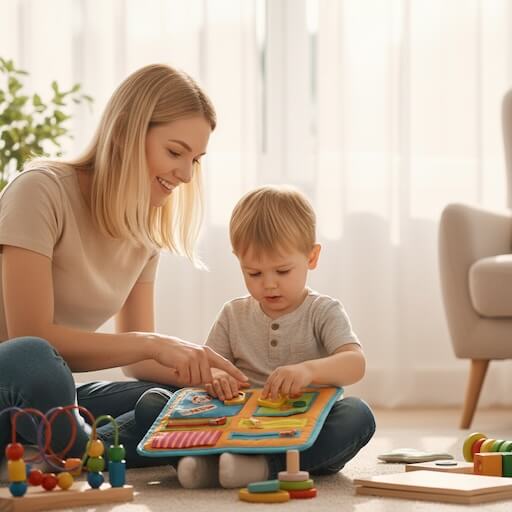
            "goal_image": "https://experteaseimages.s3.ap-south-1.amazonaws.com/OT-003-eekzkav3zq.jpg",
            "section1_paragraphs": null,
            "article_question2": "What Finger Control Really Means",
            "section2_paragraphs": null,
            "article_question3": "Why Finger Skills Support Confidence and Independence",
            "section3_paragraphs": null,
            "article_question4": "Is It Normal for Kids to Struggle With Buttons and Small Pieces?",
            "section4_paragraphs": null,
            "article_question5": "Small Signs Your Child’s Fingers Are Getting More Coordinated",
            "section5_paragraphs": null,
            "article_question6": "How Kids Build Finger Independence Through Play and Practice",
            "section6_paragraphs": null,
            "at_home_activities_title": "At-Home Activities to Build Finger Isolation and Coordination",
            "at_home_activities_desc": "The easiest way to support finger independence at home is to rotate a few types of activities—so your child gets lots of practice without it feeling repetitive. Think of this section as a menu: you can pick what fits your child’s interests and your day.",
            "at_home_activities_end_line": null,
            "myths_facts_title": "MYTHS & MISSTEPS: What Doesn’t Help and What to Do Instead",
            "myths_facts_desc": "Most finger-skill frustration comes from good intentions paired with the wrong “dose” of help or the wrong starting point. Here are common missteps—and gentle swaps that usually work better.",
            "practical_parent_tip_title": "How to Support Finger Skills in Everyday Moments",
            "practical_parent_tip_desc": "You don’t need special equipment to support finger coordination—you mainly need good setup, the right amount of help, and a calm way to repeat practice.",
            "note_text_ppt": "Keep the emotional tone light",
            "note_desc_ppt": "If your child is getting frustrated, it’s okay to pause. You can say, “Let’s take a break—hands get tired,” and come back later. Calm repetition over time is what makes the difference.",
            "when_to_seek_support_title": "When Extra Help Could Make Things Easier",
            "when_to_seek_support_desc": "Sometimes a little outside guidance saves a lot of daily stress—especially if you’re not sure what to focus on or routines are becoming a struggle.",
            "when_to_seek_support_points": "Frequent frustration or shutdown during small hand tasks (even when you simplify)\n            Avoiding toys or activities that involve small pieces, drawing, or fasteners\n            Dressing tasks like buttons or zippers staying very hard over time, even with calm practice\n            Your child can’t find a comfortable way to hold crayons/tools, or tires quickly\n            Progress feels stuck despite trying different playful activities for several weeks\n            You’re doing a lot of “helping,” and you’d like a clearer plan for how to fade support",
            "when_to_seek_support_end_point": null,
            "when_to_seek_support_note": "Reaching out isn’t a sign you’ve done anything wrong. It’s often just a way to get personalized ideas that fit your child and your routines.",
            "extro_title": "A Gentle Reminder About Building Skills Over Time",
            "extro_paragraphs": null,
            "at_home_activities": [
                7,
                6,
                5,
                4,
                3,
                2,
                1
            ],
            "myths_and_facts": [
                6,
                5,
                4,
                3,
                2,
                1
            ],
            "practical_parent_tips": [
                4,
                3,
                2,
                1
            ]
        },
        {
            "id": 1,
            "meta_title": "Helping Kids Use Fingers for Buttons and Writing",
            "meta_description": "Learn what finger control really is, what progress looks like, and easy play-based activities to support buttons, tools, and early writing.",
            "url": "use-fingers-independently-manipulate-objects",
            "goal_name": "Use fingers independently and together to manipulate objects",
            "article_heading": "How to Help Your Child Use Their Fingers Independently to Handle Small Objects",
            "article_question1": "My child struggles to use their fingers for small tasks—how can I help without making it stressful?",
            "goal_image": "https://experteaseimages.s3.ap-south-1.amazonaws.com/OT-003-eekzkav3zq.jpg",
            "section1_paragraphs": null,
            "article_question2": "What Finger Control Really Means",
            "section2_paragraphs": null,
            "article_question3": "Why Finger Skills Support Confidence and Independence",
            "section3_paragraphs": null,
            "article_question4": "Is It Normal for Kids to Struggle With Buttons and Small Pieces?",
            "section4_paragraphs": null,
            "article_question5": "Small Signs Your Child’s Fingers Are Getting More Coordinated",
            "section5_paragraphs": null,
            "article_question6": "How Kids Build Finger Independence Through Play and Practice",
            "section6_paragraphs": null,
            "at_home_activities_title": "At-Home Activities to Build Finger Isolation and Coordination",
            "at_home_activities_desc": "The easiest way to support finger independence at home is to rotate a few types of activities—so your child gets lots of practice without it feeling repetitive. Think of this section as a menu: you can pick what fits your child’s interests and your day.",
            "at_home_activities_end_line": null,
            "myths_facts_title": "MYTHS & MISSTEPS: What Doesn’t Help and What to Do Instead",
            "myths_facts_desc": "Most finger-skill frustration comes from good intentions paired with the wrong “dose” of help or the wrong starting point. Here are common missteps—and gentle swaps that usually work better.",
            "practical_parent_tip_title": "How to Support Finger Skills in Everyday Moments",
            "practical_parent_tip_desc": "You don’t need special equipment to support finger coordination—you mainly need good setup, the right amount of help, and a calm way to repeat practice.",
            "note_text_ppt": "Keep the emotional tone light",
            "note_desc_ppt": "If your child is getting frustrated, it’s okay to pause. You can say, “Let’s take a break—hands get tired,” and come back later. Calm repetition over time is what makes the difference.",
            "when_to_seek_support_title": "When Extra Help Could Make Things Easier",
            "when_to_seek_support_desc": "Sometimes a little outside guidance saves a lot of daily stress—especially if you’re not sure what to focus on or routines are becoming a struggle.",
            "when_to_seek_support_points": "Frequent frustration or shutdown during small hand tasks (even when you simplify)\n            Avoiding toys or activities that involve small pieces, drawing, or fasteners\n            Dressing tasks like buttons or zippers staying very hard over time, even with calm practice\n            Your child can’t find a comfortable way to hold crayons/tools, or tires quickly\n            Progress feels stuck despite trying different playful activities for several weeks\n            You’re doing a lot of “helping,” and you’d like a clearer plan for how to fade support",
            "when_to_seek_support_end_point": null,
            "when_to_seek_support_note": "Reaching out isn’t a sign you’ve done anything wrong. It’s often just a way to get personalized ideas that fit your child and your routines.",
            "extro_title": "A Gentle Reminder About Building Skills Over Time",
            "extro_paragraphs": null,
            "at_home_activities": [
                7,
                6,
                5,
                4,
                3,
                2,
                1
            ],
            "myths_and_facts": [
                6,
                5,
                4,
                3,
                2,
                1
            ],
            "practical_parent_tips": [
                4,
                3,
                2,
                1
            ]
        },
        {
            "id": 1,
            "meta_title": "Helping Kids Use Fingers for Buttons and Writing",
            "meta_description": "Learn what finger control really is, what progress looks like, and easy play-based activities to support buttons, tools, and early writing.",
            "url": "use-fingers-independently-manipulate-objects",
            "goal_name": "Use fingers independently and together to manipulate objects",
            "article_heading": "How to Help Your Child Use Their Fingers Independently to Handle Small Objects",
            "article_question1": "My child struggles to use their fingers for small tasks—how can I help without making it stressful?",
            "goal_image": "https://experteaseimages.s3.ap-south-1.amazonaws.com/OT-003-eekzkav3zq.jpg",
            "section1_paragraphs": null,
            "article_question2": "What Finger Control Really Means",
            "section2_paragraphs": null,
            "article_question3": "Why Finger Skills Support Confidence and Independence",
            "section3_paragraphs": null,
            "article_question4": "Is It Normal for Kids to Struggle With Buttons and Small Pieces?",
            "section4_paragraphs": null,
            "article_question5": "Small Signs Your Child’s Fingers Are Getting More Coordinated",
            "section5_paragraphs": null,
            "article_question6": "How Kids Build Finger Independence Through Play and Practice",
            "section6_paragraphs": null,
            "at_home_activities_title": "At-Home Activities to Build Finger Isolation and Coordination",
            "at_home_activities_desc": "The easiest way to support finger independence at home is to rotate a few types of activities—so your child gets lots of practice without it feeling repetitive. Think of this section as a menu: you can pick what fits your child’s interests and your day.",
            "at_home_activities_end_line": null,
            "myths_facts_title": "MYTHS & MISSTEPS: What Doesn’t Help and What to Do Instead",
            "myths_facts_desc": "Most finger-skill frustration comes from good intentions paired with the wrong “dose” of help or the wrong starting point. Here are common missteps—and gentle swaps that usually work better.",
            "practical_parent_tip_title": "How to Support Finger Skills in Everyday Moments",
            "practical_parent_tip_desc": "You don’t need special equipment to support finger coordination—you mainly need good setup, the right amount of help, and a calm way to repeat practice.",
            "note_text_ppt": "Keep the emotional tone light",
            "note_desc_ppt": "If your child is getting frustrated, it’s okay to pause. You can say, “Let’s take a break—hands get tired,” and come back later. Calm repetition over time is what makes the difference.",
            "when_to_seek_support_title": "When Extra Help Could Make Things Easier",
            "when_to_seek_support_desc": "Sometimes a little outside guidance saves a lot of daily stress—especially if you’re not sure what to focus on or routines are becoming a struggle.",
            "when_to_seek_support_points": "Frequent frustration or shutdown during small hand tasks (even when you simplify)\n            Avoiding toys or activities that involve small pieces, drawing, or fasteners\n            Dressing tasks like buttons or zippers staying very hard over time, even with calm practice\n            Your child can’t find a comfortable way to hold crayons/tools, or tires quickly\n            Progress feels stuck despite trying different playful activities for several weeks\n            You’re doing a lot of “helping,” and you’d like a clearer plan for how to fade support",
            "when_to_seek_support_end_point": null,
            "when_to_seek_support_note": "Reaching out isn’t a sign you’ve done anything wrong. It’s often just a way to get personalized ideas that fit your child and your routines.",
            "extro_title": "A Gentle Reminder About Building Skills Over Time",
            "extro_paragraphs": null,
            "at_home_activities": [
                7,
                6,
                5,
                4,
                3,
                2,
                1
            ],
            "myths_and_facts": [
                6,
                5,
                4,
                3,
                2,
                1
            ],
            "practical_parent_tips": [
                4,
                3,
                2,
                1
            ]
        }
    ]
}